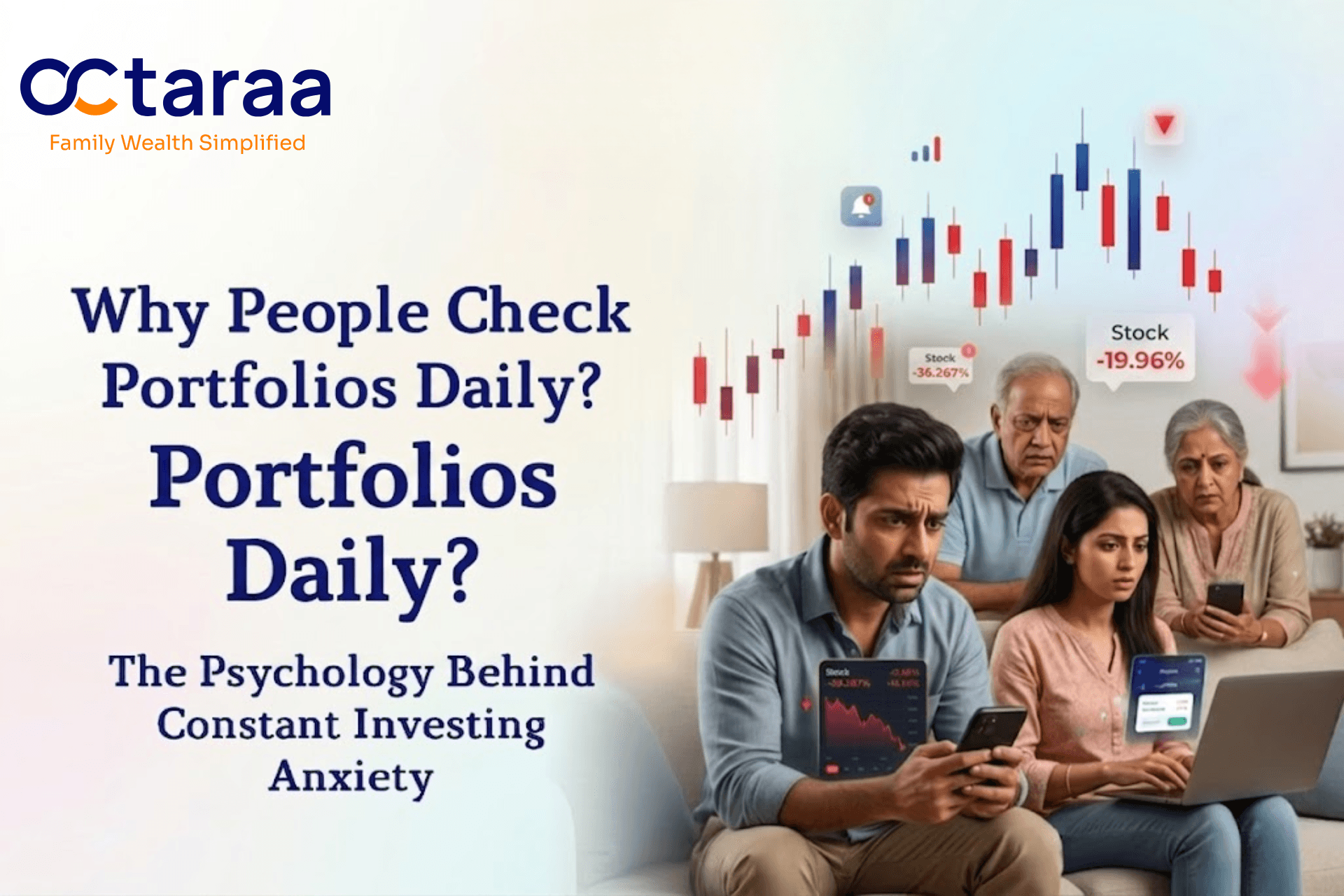
Short-term market fluctuations are normal, but constantly monitoring them can shift focus away from long-term financial goals. For most long-term investors, disciplined investing and patience are usually more effective than reacting to daily market movements.
Why Do People Check Their Portfolios Daily?
For many investors, checking their portfolio becomes a regular habit driven by emotions, uncertainty, and the desire to stay in control of their money. Constant access to investment apps and real-time market updates makes it easy to monitor investments multiple times a day.
People often check their portfolios because they:
-
Want reassurance that their investments are performing well
-
Fear losing money during market fluctuations
-
Feel excited by short-term gains and profits
-
Compare their returns with friends, family, or social media discussions
-
React emotionally to financial news, trends, and market movements
This behavior is strongly connected to psychological biases such as fear, loss aversion, anxiety, and overthinking. While occasional monitoring is normal, excessive checking can increase stress and lead to emotional financial decisions instead of rational long-term planning.
The Psychology of Constant Portfolio Checking
1. Fear of Loss
People naturally feel the pain of losses more strongly than the happiness of gains. Even small market declines can create anxiety and uncertainty, pushing investors to repeatedly check their portfolios for reassurance.
2. Need for Control
Many investors believe that constantly monitoring their investments helps them stay in control. However, short-term market movements are often unpredictable, and excessive monitoring usually increases stress rather than improving outcomes.
3. Easy Access to Apps & Market Updates
Modern investment apps, instant notifications, and financial news updates make portfolio checking extremely easy. As a result, investors react more emotionally to normal day-to-day market fluctuations that may not matter in the long term.
4. Short-Term Thinking
Frequent portfolio checking shifts focus away from long-term financial goals and toward temporary market movements. This can make small daily fluctuations feel much more important than they actually are and may lead to emotional decision-making.
Why Daily Portfolio Checking Can Be Harmful
Increases Stress & Anxiety
Constantly watching market movements can create unnecessary emotional pressure and increase investing anxiety. Small daily fluctuations may start feeling more significant than they actually are.
Encourages Emotional Decisions
Frequent monitoring can lead to impulsive reactions such as panic selling during market drops or making rushed investment decisions based on short-term movements.
Distracts from Long-Term Goals
Daily market fluctuations are normal and often have little impact on long-term wealth creation. Over-checking portfolios can shift focus away from important long-term financial objectives.
Reduces Investing Discipline
Successful investing usually requires patience and consistency. Constant monitoring can make investors react emotionally instead of following a disciplined and structured investment approach.
What Should Investors Do Instead?
Focus on Long-Term Goals
Invest based on your real-life financial goals such as retirement, children’s education, emergency savings, or wealth creation rather than reacting to daily market movements. Long-term planning helps reduce emotional decision-making.
Review Periodically
Instead of checking portfolios every day, reviewing investments monthly or quarterly is usually more practical for long-term investors. Periodic reviews help maintain perspective without creating unnecessary stress.
Accept Market Volatility
Market ups and downs are a normal part of investing. Temporary declines do not always indicate long-term problems, and understanding this can help investors stay calm during fluctuations.
Stay Consistent
Disciplined investing and consistency are often more important than constant monitoring. Staying invested regularly through strategies like SIPs can support long-term financial growth more effectively than reacting emotionally to short-term changes.
How Octaraa Helps Investors Stay Focused
Octaraa encourages structured financial planning and rational decision-making instead of emotional investing behavior driven by short-term market movements. The platform focuses on helping individuals and families stay aligned with their long-term financial goals rather than reacting to daily fluctuations.
With Octaraa, you can:
-
Set clear financial goals for long-term planning
-
Use financial calculators for projections and goal-based planning
-
Stay informed through blogs and financial literacy-focused content designed to improve financial awareness in India
-
Understand financial concepts and questions more easily with Samaira AI (coming soon)
-
Focus on long-term progress instead of reacting emotionally to short-term market movements
This approach helps investors build discipline, improve financial clarity, and make more confident financial decisions over time.
Results You Can Expect
By reducing emotional investing behavior and focusing on long-term planning, investors can improve discipline, reduce stress, make more rational decisions, and build wealth more consistently over time.
Build Smarter Financial Habits Today
Ready to focus on long-term financial growth instead of daily market stress?
Start your journey with Octaraa today.
🌐 Website: https://octaraa.com
📞 Contact: Available on website
Frequently Asked Questions (FAQ)
Q1: Is checking portfolios daily bad?
Not always, but excessive checking can increase stress and emotional decisions.
Q2: How often should long-term investors check portfolios?
Monthly or quarterly reviews are usually enough.
Q3: Why do investors panic during market drops?
Because of emotional biases like fear and loss aversion.
Q4: Can emotional investing affect returns?
Yes, emotional decisions often lead to poor long-term outcomes.